
A Collected vs Decorated Home: What NOT to Buy Secondhand This Year
Hey friends, if you’ve been following me for a hot minute, you know I’m a thrift-store junky, and my home decor consists primarily of vintage and secondhand finds. I’ve shared many ideas about what to buy, but today I’m focused on what NOT to buy. The difference between a home that feels decorated (forced and trendy) and a home that feels collected (timeless, intentional, and curated) lies in what you leave at the thrift store.
I recently shared how to create a story-filled, nostalgic home as part of the Modern Heritage movement—a style that prioritizes sustainable, eco-friendly decorating. Today, I’m showing you the most common mistakes to avoid so you can save money and keep your home from looking cluttered.
(Posts on The Ponds Farmhouse may contain affiliate links. As an Amazon Associate, I earn from qualifying purchases. See the full disclosure details here.)
5 Things That Will Ruin Your Collected Home Vibe!
Before we dive into the details, here is a quick cheat sheet list for your next thrift trip. If you want that curated, Modern Heritage look, you’ll want to leave these five things on the shelf:
- Mass-produced and “faux” aged furniture
- Word Art & Mass-Produced Art Prints
- Matchy Matchy Sets
- Synthetic Textiles (Fast Decor Fabrics)
- Small-Scale Dust Collectors
Now, let’s dive into the why behind these rules—and more importantly, how you can learn to spot these style killers at a glance.
1. Mass-Produced and “Faux” Aged Furniture
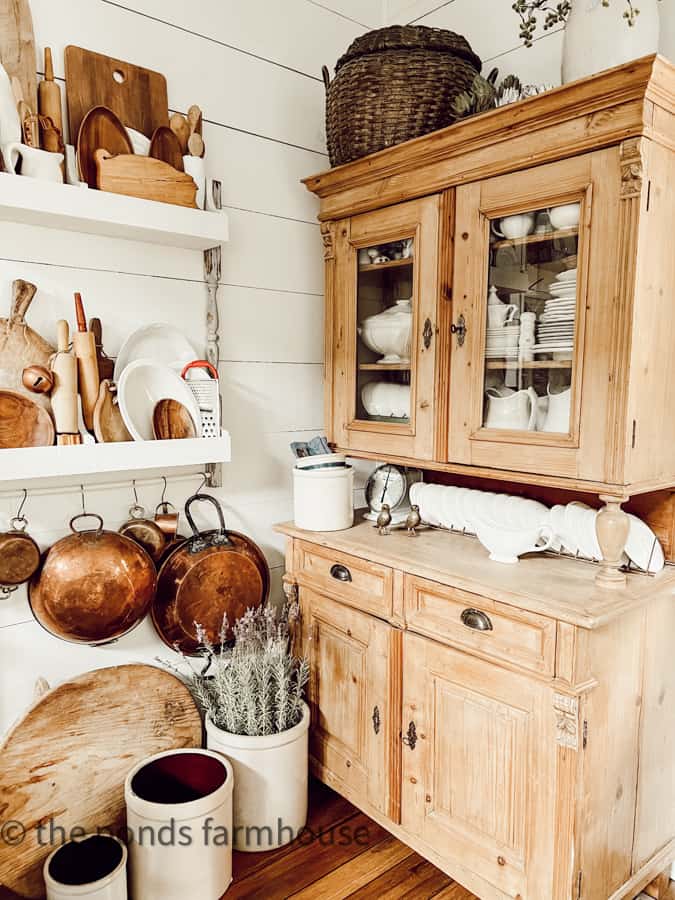
In a world of mass-produced, throw-away furniture, it’s important not to get fooled by fake wood and distressed pieces that are anything but vintage. The sad news is that even antique stores, and more likely antique malls, sometimes sell faux vintage or mass-produced merchandise, which will cheapen the overall curated feel of your home. For a “Modern Heritage” style, you want furniture that’s truly vintage or antique. Even worse, when you fall for a fake vintage piece, you may see an identical one in your neighbor’s home.
We’ve all been fooled by these cleverly disguised fake vintage pieces. Some look like the real deal in a showroom, but you need a closer inspection.
How to spot the style killer:
- Look for solid wood construction. Check underneath the piece, inside drawers, and cabinet doors. If you see MDF or pressed sawdust, it’s not of solid construction and most likely produced since the ’90s.
- Look closely at the edges of a distressed piece. If the “wear” marks look identical on every corner or if the wood underneath looks like grayish compressed sawdust (MDF), it’s a factory-made fake.
- Look around the store for similar-looking pieces. If you see more than one chest with a similar finish, it’s a good sign that they are cheap faux-vintage pieces that you want to leave in the store.
What To Look For Instead:
- Solid wood construction.
- Natural wear and tear. A well-loved, authentic piece will always add vintage charm to your home.
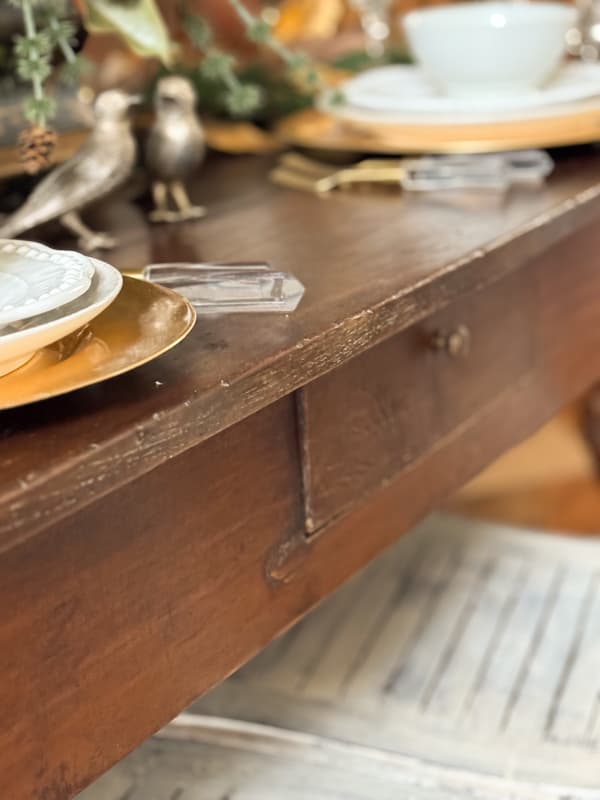
- Scuffs on the feet of a chair or a slight ring on a tabletop. These aren’t “damage”—they are patina.
Insider Tip
Material Cheat Sheet:
- Decorated Materials: Plastic, MDF, Polyester, Resin, “Printed” wood grain.
- Collected Materials: Marble, Solid Wood, Brass, Silver, Copper, Linen, Iron, Stone.
Don’t be afraid of a little real “patina.” A scratch on a solid walnut side table tells a story; a peeling corner on a laminate “vintage-style” table just looks like it’s ready for the landfill. Real wood can be polished, oiled, or even sanded down and saved, making it a much more sustainable choice for your home.
2. Word Art & Mass-Produced Art Prints
The farmhouse-style word art trend was popular about 10 years ago, and everyone jumped on board. This look is so over! If you live in a farmhouse, you don’t need to advertise it with a sign that says “Farmhouse”. If you still have a few signs hanging around, you don’t necessarily have to remove them. However, you definitely don’t want to invest more than you are spending on second-hand.
Another no-no for a curated home is inexpensive, mass-produced art. This would include screen-printed canvas, unnumbered art prints, and DIY prints.
How to spot the style killer:
- I feel any word signage should be avoided.
- Screen-printed canvas art will be smooth to the touch. If you can’t feel the paint, it’s a screen print.
- Check art prints for a signature and number. Original art will most likely have numbered prints, which enhance the artwork’s value and authenticity.
- Avoid trendy prints that don’t have the vintage or heritage style of your home.
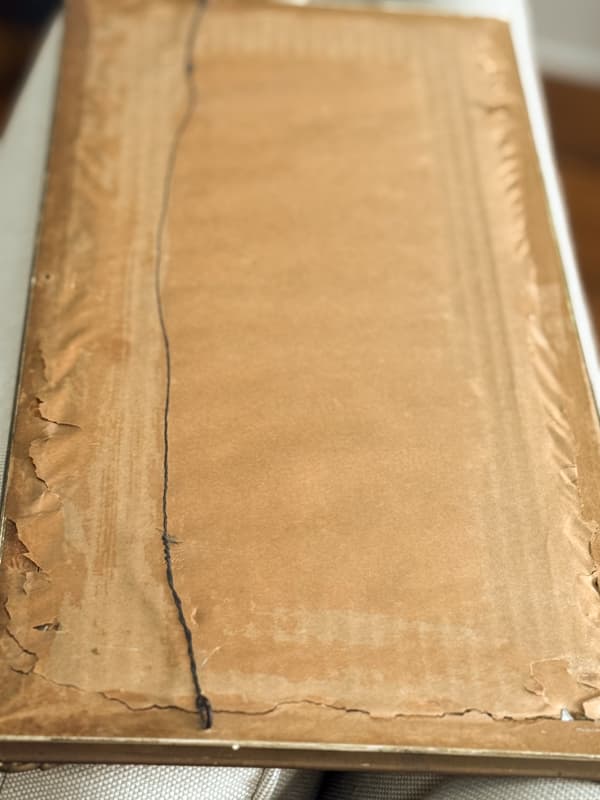
- Look at the back side of the print. You can spot a professionally framed, vintage piece by its paper backing. Old prints may have torn or fragile backing.
What To Look For Instead:
- Look for charcoal sketches, architectural blueprints, or vintage botanical plates.
- Original Art canvas paintings. Touch the canvas because you will feel the texture of the paint. Also, look for a signature.
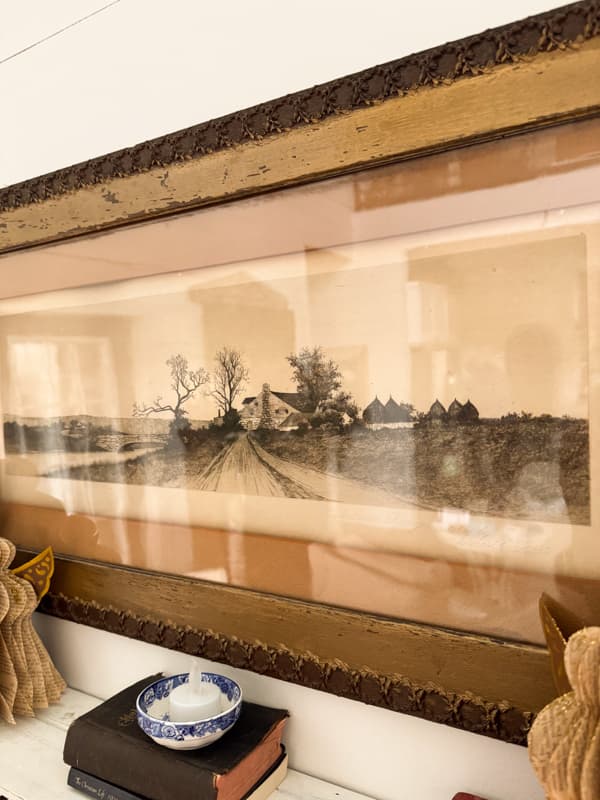
- Look for authentic vintage prints or etchings. Check the back of the framed piece for aged paper. Check for a signature and numbers.
- Only buy prints that speak to your curated style. If you don’t love it, leave it.
- Original art—even if it’s by an amateur—adds a layer of sophistication that mass-produced items simply can’t mimic.
Insider Tip
Even a simple amateur canvas painting can be enhanced with a faux vintage technique, as I used for this makeover – How To Transform a Thrift Store Painting Into Vintage Artwork.
3. Matchy Matchy Sets
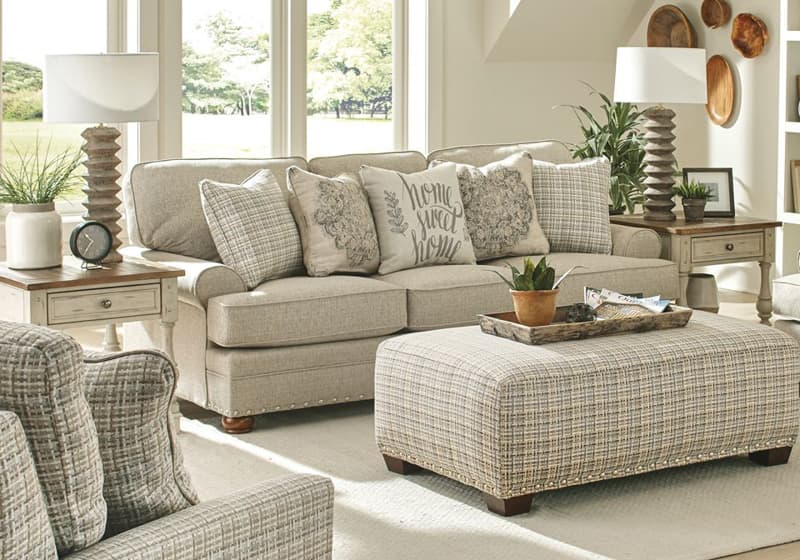
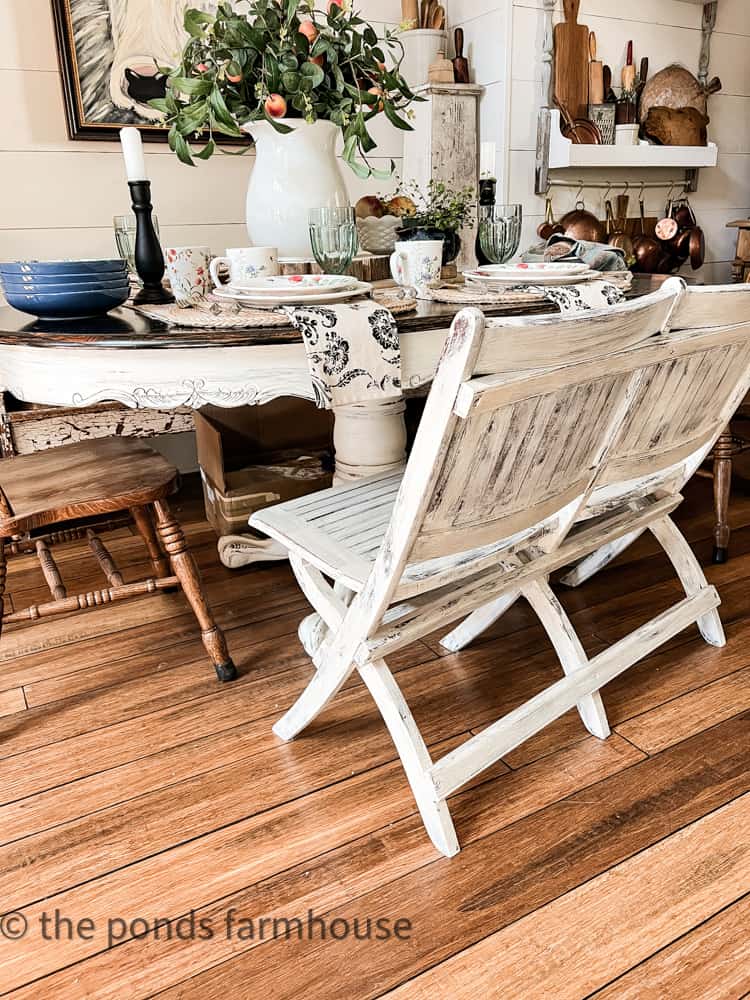
A sure sign of a “decorated” vs “collected” style is matching furniture sets. This would include a bedroom set with a matching bed, side tables, a dresser, and a chest of drawers. Or a living room set with a matching end table, lamps, and fabrics. Beware, because you may find vintage matchy-matchy sets, and you may be tempted. Unless you can purchase just one piece of the set, walk away. You will regret the purchase because the room will lack character and will not feel collected over time.
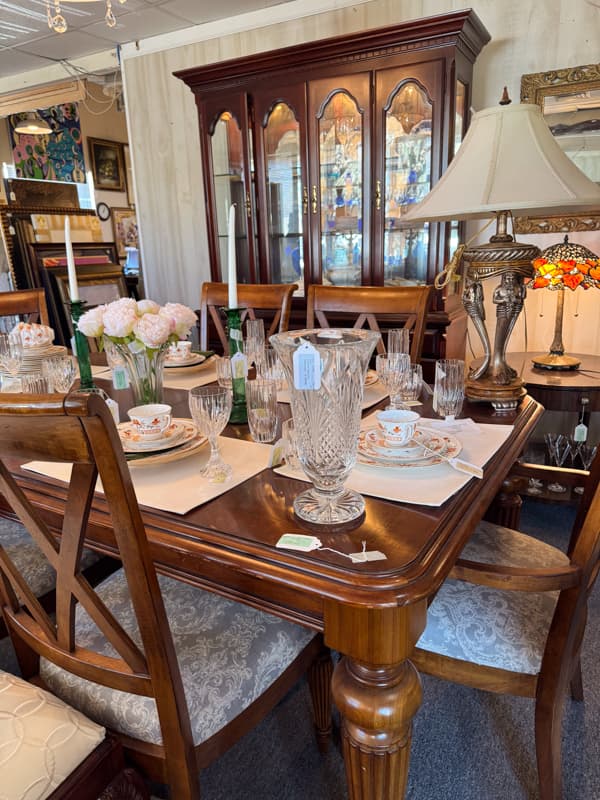
Many people invest in dining room sets that include a matching table, chairs, and a hutch. They are great for a formal look, but don’t be tempted to purchase a matching set if you are creating a collected style for your home. In all my homes, I’ve never had any matching pieces other than the chairs. Each piece has been rescued or collected over time.
Another no-no is matching lamp sets. Imagine your mother’s nightstands with two identical lamps on either side of the bed. Then think about your grandmother’s cozy rooms with mismatched lamps. Which look is more interesting?
How to spot the style killer:
- This is an easy one. Don’t purchase furniture sets with the same details or lamp sets that match.
- Avoid overstuffed and oversized chairs and sofas.
- Consider the size and scale of the pieces. Don’t try to use a heavy, ornate piece with a leggy primitive piece. Mixing and matching walks a fine line with the main furniture pieces.
What To Look For Instead:
- Individual side chairs and tables that offer a unique vintage character, in a similar style but not a matching set.
- Look for traditional clean lines in upholstered pieces.
- Look for pieces that you truly love and are drawn to. Don’t purchase just because it’s a good deal.
- Look for a single lamp made of an interesting material—heavy alabaster, hammered brass, or even a ceramic base if the shape is good.
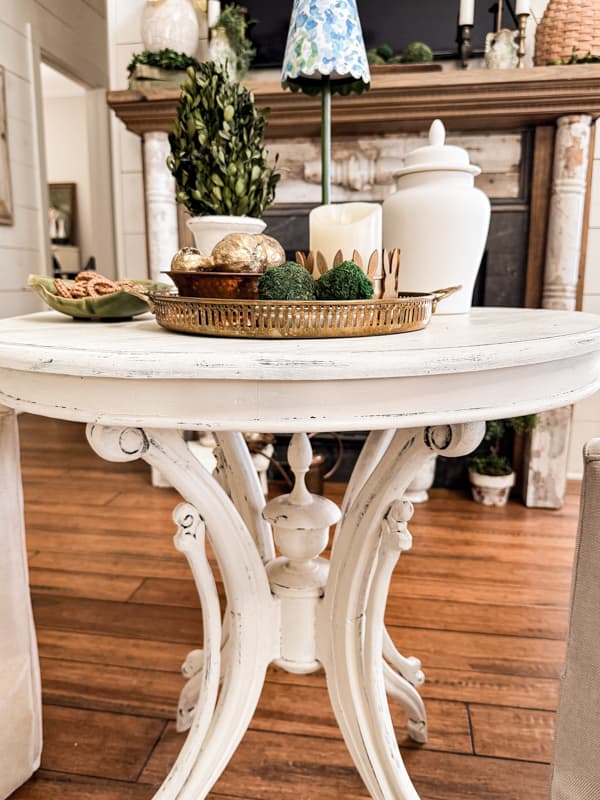
Insider Tip
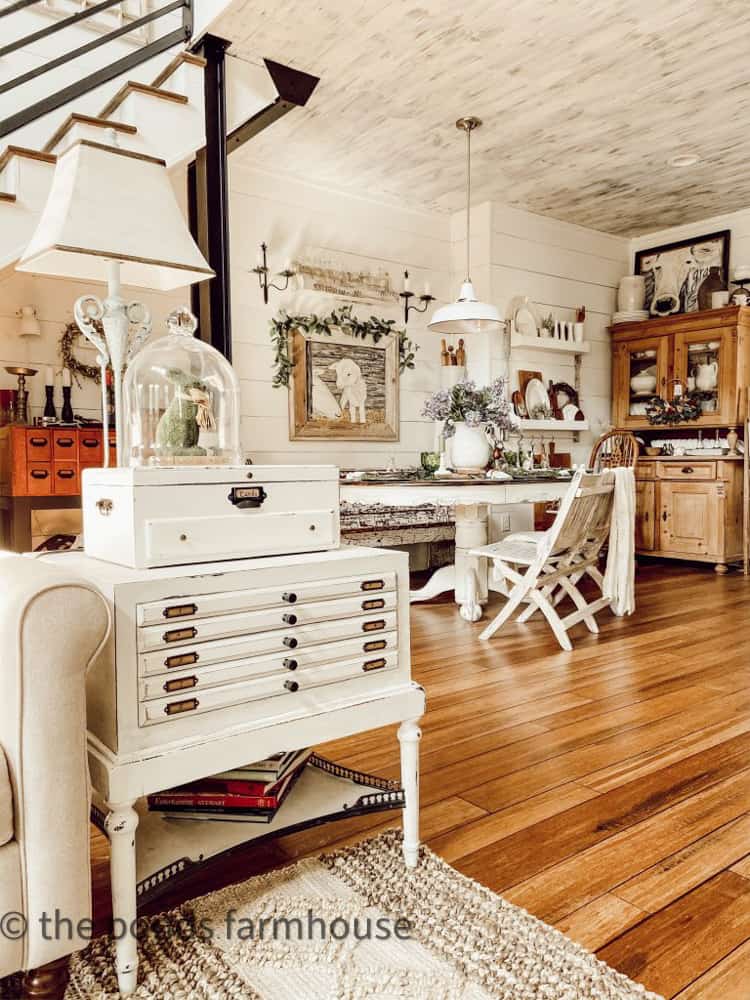
Lamps and lampshade are one of the easiest thrift store items to update. Here are just a few of my lamp tranformations:
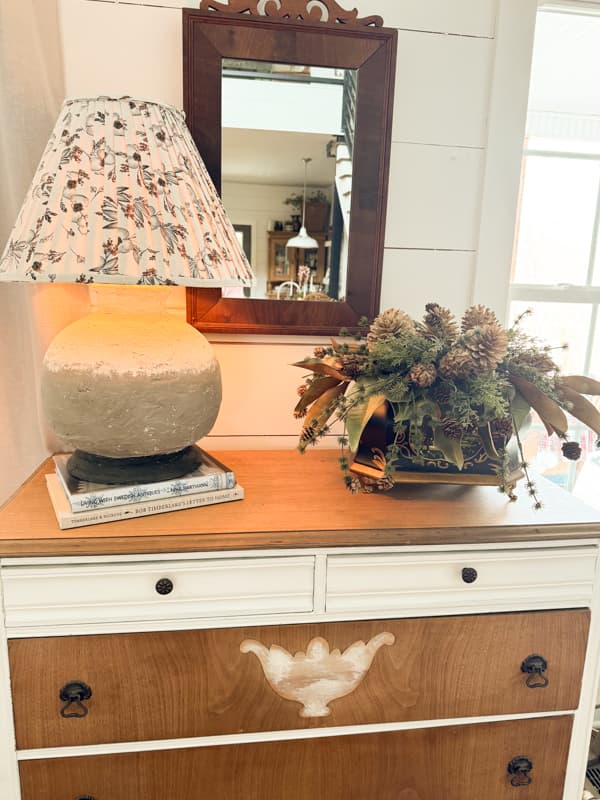
4. Synthetic Textiles (Fast Decor Fabrics)
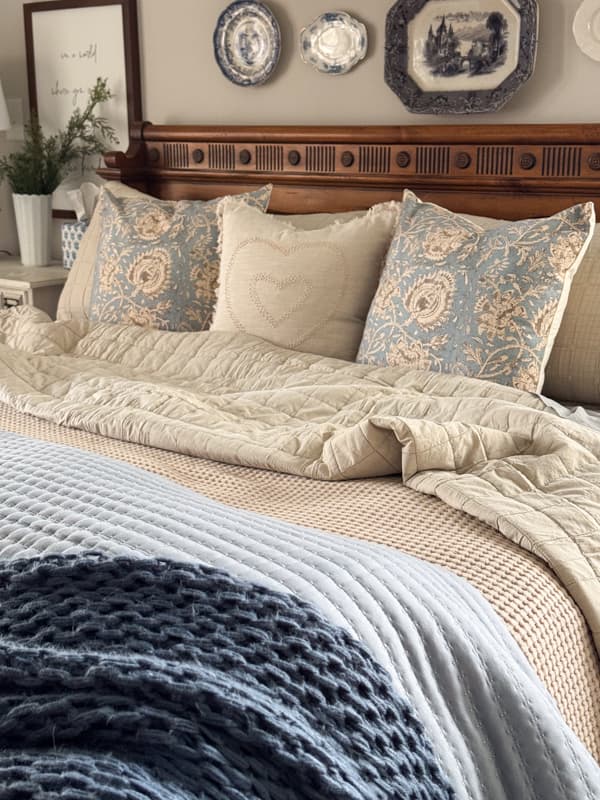
If there is one thing that can instantly make a room feel “cheap,” it’s the shiny sheen of synthetic fibers. Regardless of the cost, if it’s made of polyester or acrylic, it’s going to clash with your collected aesthetic.
Synthetic textiles tend to have an unnatural “shine” under light, which doesn’t invite a cozy feel to your bedding or sofas. A curated home relies on tactile luxury—fabrics that have weight, breathability, and a natural drape.
How to spot the style killer:
- Check the tag for materials! If the tag is missing, feel the fabric. If it feels “slick” or creates static when rubbed, it’s synthetic. Natural fibers like wool will feel slightly heavy and warm, while linen has that signature “slubby” texture (tiny bumps in the weave) that only gets better with age.
- Be cautious of mid-century fabrics that were trendy during that time period. They can look out of place. Instead, look for vintage and classic fabrics such as chintz and faded florals.
- Avoid poly-filled pillows that will become flat and look cheap within a few months.
What To Look For Instead:
- In 2026, high-end designers are obsessed with “Tactile Luxury.”
- Hunt for “The Big Three” of natural fibers: Linen, Wool, and Cotton. Even a vintage 100% cotton tablecloth can be repurposed into beautiful pillow covers or window treatments.
- Down-filled, feather pillows and/or pillow inserts. I’ll buy an ugly pillow (if the price is good) just for the down-filled insert.
- Look for 100% wool blankets (brands like Pendleton or Hudson Bay), heavy linen napkins, or hand-woven mohair throws.
5. Small-Scale Dust Collectors
This section is crucial because it’s the hardest one for most “thrift junkies” to follow.
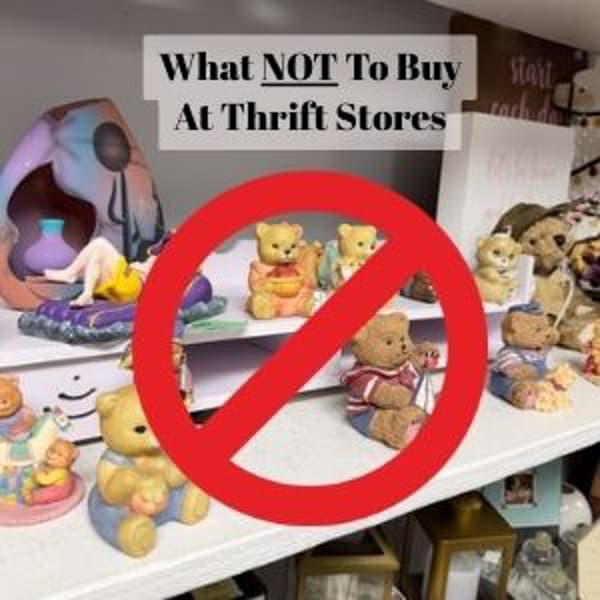
I’ll be honest, it is one of my downfalls. I’m drawn to small vases and seasonal figurines. Although I know they are not the best choices, I’ll not apologize because, as I’ve said many times, if you love something, it’s not a bad decor choice for you. I use many small bowls or an interesting figurine to create vignettes, but I don’t purchase cute collectibles like snowbabies, small bears, or resin figurines, no matter how cute they are. I’m looking for vintage and unique. With that said, it is a style trap worth our attention and a good reminder to be more selective. I’ll share the pros and cons so you can decide what to avoid and what you want to include for your own style.
We’ve all been there: you find a tiny brass bird for $2, a miniature glass vase for $1, and a sweet little ceramic figurine. Individually, they are adorable. But when you get them home, they can often turn into “visual noise.” This is the fastest way to move from a curated home to a home that looks cluttered. So let’s look at the why and how to avoid this thrifting trap.
- The “Pro” (The Trap): They are inexpensive, easy to carry, and provide an instant “dopamine hit” at the checkout.
- The “Con” (The Style Killer): A collection of tiny items lacks a “focal point.” Instead of looking intentional, it shrinks the feel of your room rather than expanding it.
To achieve a collected look, trade 10 small trinkets for 1 Statement Piece. One large, heavy stoneware crock on a kitchen island is “curated.” Five small spice jars are just “stuff” that gets lost on a large-scale piece.
How to spot the style killer:
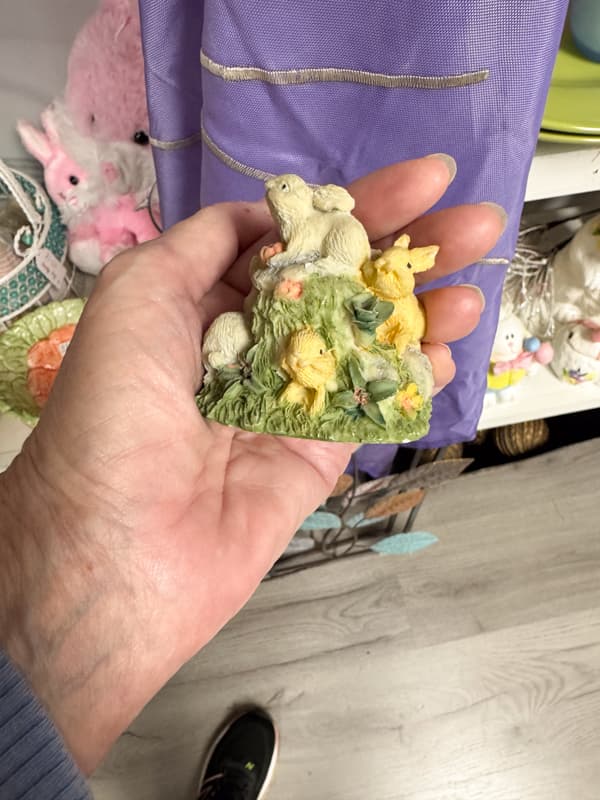
- Do the “Hand Test.” If the item is smaller than your hand, ask yourself: Is this a work of art, or is it just a dust collector?
- Can you imagine it on a pedestal or under a cloche as a standalone piece? If not, you may want to leave it in the shop.
What To Look For Instead:
- Look for oversized statement pieces.
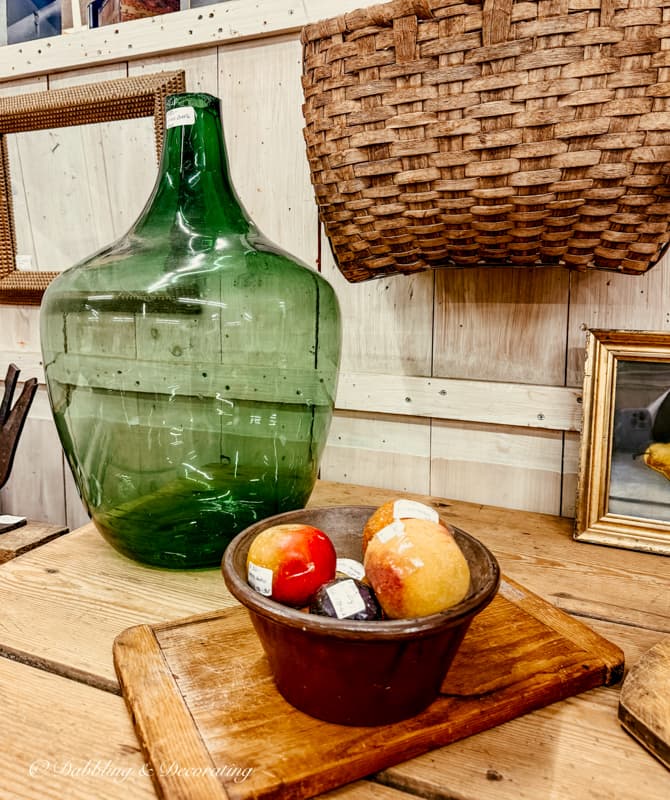
- Large-scale stoneware crocks, oversized glass demijohns, or a heavy stone mortar and pestle.
- Wooden items, such as a large wooden dough bowl and bread boards.
- Tall vases, lamps, and containers. A large piece will most likely come home with me even if the finish isn’t to my taste. It can always be painted or repurposed.
- Oversized baskets.
- Unique pieces of silver or brass.

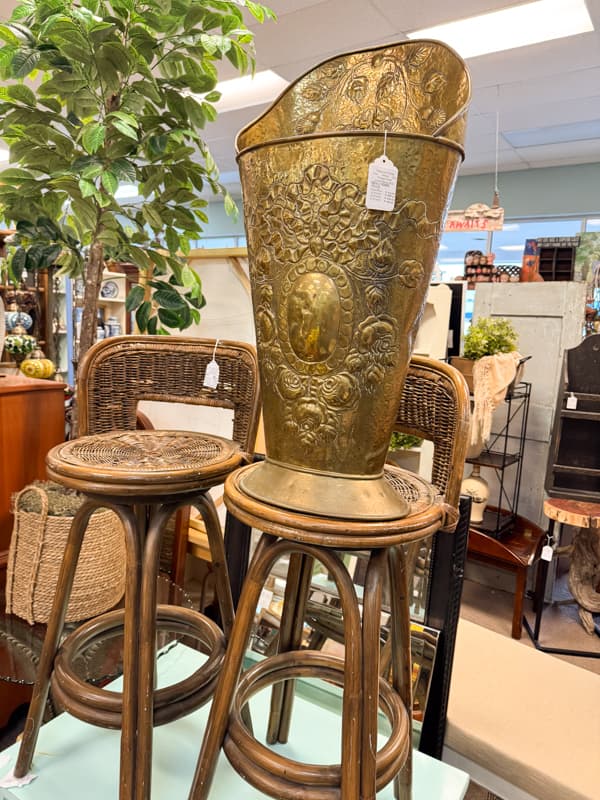
The unique brass container caught my eye at a secondhand consignment shop. It’s a great statement piece. It was a little pricey, but it’s a rare classic piece worth investing in. I left it in the shop, but I will check back to see if it’s still there when the price drops.
Insider Tip – Rachel’s Rules of thumb:
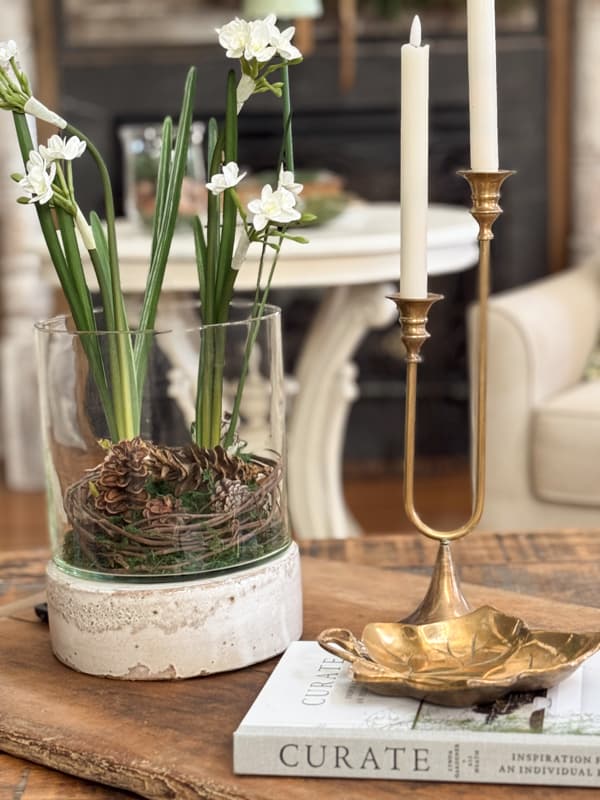
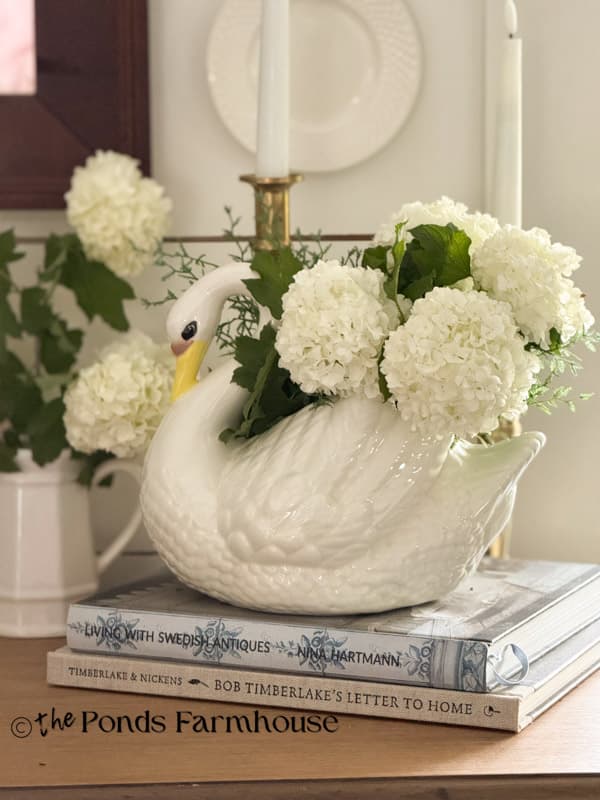
- It’s easy to get caught up in the dos and don’ts, but at the end of the day, I will continue to break the rules if it works for me and my style. A small brass container on a stack of coffee table books helps to draw the eye to the vignette.
- Use large-scale pieces like wooden bowls, trays, and baskets to anchor smaller pieces for a cohesive collected style.
- Group collections for more impact. I have several ironstone pitchers that I’ve collected over time. Displaying them separately lowers the impact but when grouped together, they create a curated and interesting focal point.

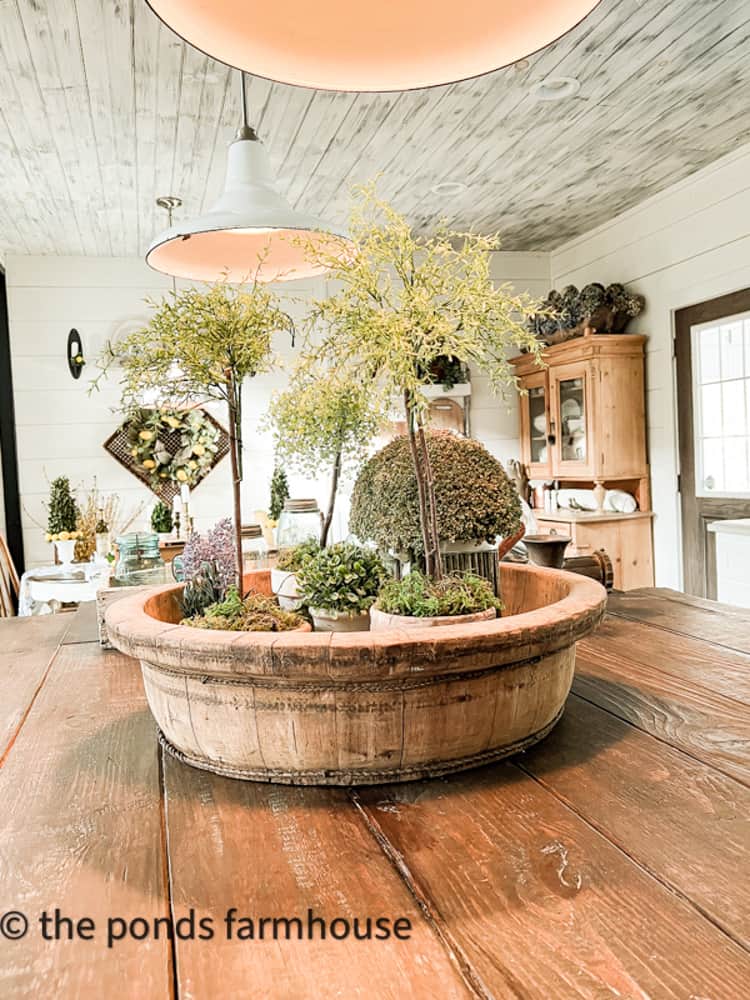
Smaller decor displayed in a large wooden bowl for a cohesive vignette on my kitchen island.
FAQ
Conclusion: The Art Of A Collected Home: The Slow Find
What does it mean to collect? “accumulate and store over a period of time”. Therefore, creating a collected home takes time.
At the end of the day, it isn’t about how much you spend; it’s about the discipline of saying “no” to the mediocre. Thrift store shopping takes time and patience.
It’s tempting to fill an empty corner with a $5 thrift find just to stop the room from looking unfinished. But a curated space requires you to slow down and shop with intention. It’s better to have an empty nook for six months or longer while you wait for that perfect, soul-stirring piece. Don’t fall into the trap of “decorated” clutter, which you’ll likely want to replace by next season.
Next time you’re at the thrift store, look past the price, even if it’s a deal, and ask yourself: Does this really work with my aesthetic? Do I love it? Does it have a story? If not, it will only be a space filler until you find something that does. Enjoy the hunt!
Thrifting with the Gals
Today’s post is part of our monthly series, Thrifting with the Gals. If you are new to our series, we are friends who share a love for vintage and thrifted decorating. We all live in different parts of the country, but we come together once a month to share thrift store shopping ideas and tips on decorating with your treasures.
Here are the Gals:
- Ann from Dabbling and Decorating finds her treasures as she travels between Vermont and Maine. She decorates both homes with so many vintage treasures.
- Robyn from Robyn’s French Nest loves to travel and bring her vintage treasure to her lovely Florida Home.
- Lora from Lora Bloomquist Create and Ponder is thrifting and picking up amazing roadside finds to decorate her home in Minnesota.
- I am from North Carolina and love filling my farmhouse and beach cottage with thrift store finds. I focus on budget-friendly decorating and DIY projects.
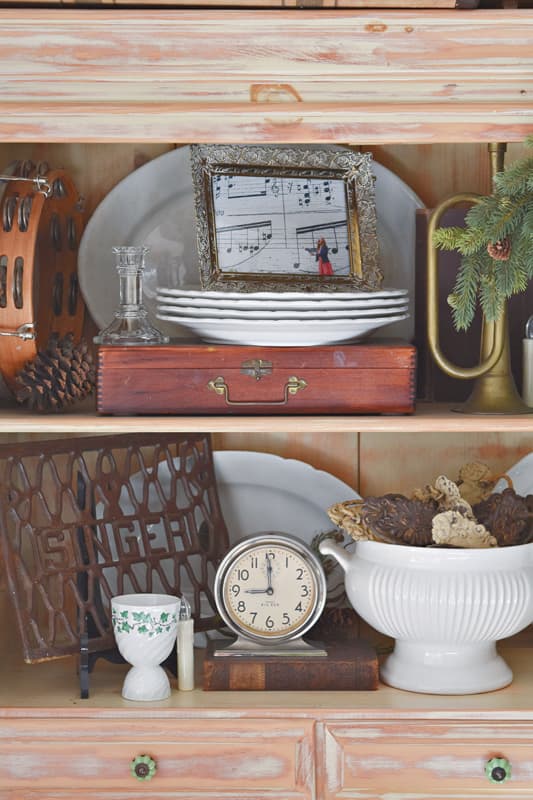

Ann’s – Antique St. Patrick’s Day Decor / Lora’s- Elevate Your Decor with Thrifted Finds / Robyn’s – 21 Ideas for Decorating with Glass Cloches



Great tips, Rachel, especially about old faux furniture, so true!
Ann,
Thank you!
I love this, Rachel! You always do such a great job explaining how to style a beautiful home! I always love working with you!
Robyn
Thank you! So fun doing these together.
Great tips, Rachel! No to all the cutesie figurines, for sure! I do like matching lamps on either side of our bed, though, mostly because the side tables are the same (a vintage vanity separated). I agree with everything else;) Great post! And I really wanted those wicker/rattan stools at the thrift<3
Lora,
Thank you for your kind words. Yes, lamps are one thing that I can agree on. I like matching lamps on a formal buffet table too.
My house is decorated farmhouse style and I love it. I still have word art in my home and it still love it. My point is if word art or cutsie figurines bring you joy then you do you! It’s all about personal choice and style.
Beverly
I agree 100%! Small cute figurines are my weakness and I still have word art in my home too. It’s not about throwing out what you love, it’s about not continuing to spend money on more of the same or items that don’t create a style you are going for. You certainly want to continue to decorating for you and your family. Trends come and go but a well curated home with family treasures are very on trend right now. So go for it.